

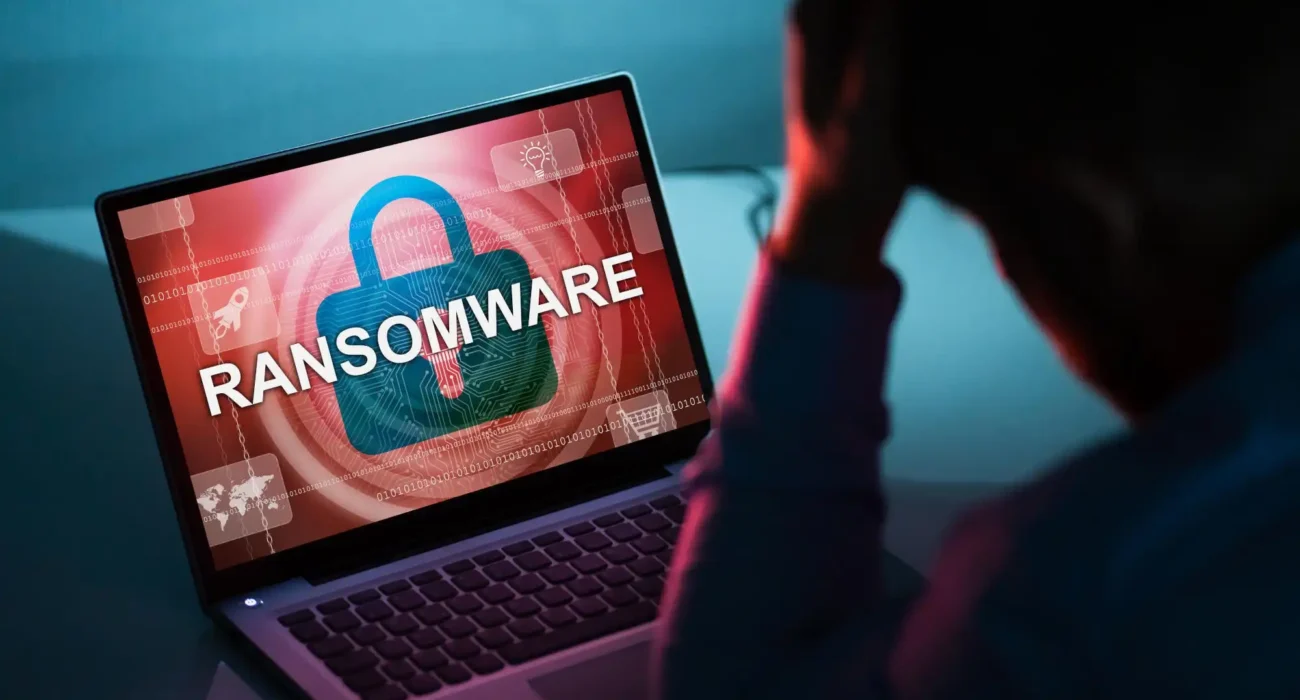
Ransomware: The $1 Billion Threat to Your Files
Your family photos, work documents, financial records — locked and held hostage. Every 11 seconds, someone becomes a victim. Here's how to stop it.

A friend of mine lost ten years of family photos last month. Not because his hard drive failed. Not because he deleted them by accident.
A piece of ransomware encrypted every single file on his computer and demanded $500 to unlock them. He paid. The criminals took his money. He never got his photos back.
After tracking ransomware attacks for over eight years and interviewing dozens of victims and cybersecurity experts, I've seen the devastation firsthand. This isn't just about big corporations anymore — it's about your personal documents, your memories, your life's work held hostage.
What ransomware actually does — and why it's devastating
Ransomware isn't like other malware. It doesn't steal your data or use your computer for crypto mining. It holds your files hostage. Once it's on your system, it scans for documents, photos, videos, tax returns, and other personal files. Then it encrypts them — scrambling them so you can't open them. The only way to unscramble them is with a decryption key that the attackers control.
Then you get a message: Pay us in cryptocurrency within 72 hours, or your files are gone forever. The ransom demands have skyrocketed — from $500 for individuals to millions for hospitals and schools.
"Ransomware operators are now using double extortion — they steal your data before encrypting it, then threaten to publish it online if you don't pay."
— FBI Cyber Division WarningHow ransomware gets into your computer
Most people think they'd never fall for a ransomware attack. But the entry points are subtle and increasingly sophisticated:
Phishing emails
Fake invoices, shipping notifications, or security alerts with malicious attachments or links. One click and you're infected.
Malicious ads
Legitimate websites with compromised ads can infect your computer without any clicks — drive-by downloads.
Fake software updates
Pop-ups claiming your Flash, Java, or browser needs updating. Download the "update" and you download ransomware.
Remote desktop vulnerabilities
Open RDP ports on your computer can be brute-forced. Once inside, ransomware spreads instantly.
Real stories from ransomware victims
A hospital in my town was hit. They couldn't access patient records for two weeks. Ambulances were diverted. People's medical care was delayed.
— Sarah, healthcare workerMy photography business lost 15,000 client photos. I paid $2,500. Got back about half. Some clients never got their wedding photos.
— Michael, photographerA school district near us paid $500,000 to get their data back. They couldn't process payroll or grades for weeks.
— Jennifer, parentWho are the primary targets?
Individual consumers
Personal photos, documents, and financial files — smaller ransoms but easier to pay
Hospitals & healthcare
Critical patient data — attackers know they'll pay quickly to save lives
Schools & universities
Student records, grades, research data — often underfunded cybersecurity
Small businesses
No dedicated IT security — perfect targets for automated attacks
Government agencies
Critical infrastructure, police records, tax data — high-value targets
Non-profits & churches
Limited security budgets, valuable donor and community data
Ransomware doesn't discriminate. AssistYu Ransomware Defender blocks attacks in real-time before your files can be encrypted — even new, unknown variants.
Why traditional antivirus isn't enough
Traditional Antivirus
- Relies on known virus signatures
- Misses new ransomware variants
- No behavioral detection
- Can't stop zero-day attacks
- Detects after encryption starts
Active Ransomware Defense
- Behavior-based detection
- Stops unknown ransomware variants
- Real-time file monitoring
- Blocks encryption attempts instantly
- Prevents before any damage
Real-world ransomware attacks that made headlines
MOVEit breach
Over 2,000 organizations and 60 million individuals affected. Largest supply chain ransomware attack in history.
Change Healthcare attack
$22 million ransom paid. Disrupted prescriptions and insurance claims for months across the entire US healthcare system.
Major school district attack
15 schools locked out of systems for 3 weeks. Classes canceled. Student data leaked online.
The solution I recommend
After analyzing dozens of ransomware protection tools, I recommend AssistYu Ransomware Defender. It uses advanced behavioral detection to stop ransomware before it can encrypt a single file. It works automatically — no configuration needed — and protects your documents, photos, and business files in real-time.
Try AssistYu Ransomware Defender risk-freeHow to protect yourself from ransomware
Ransomware protection checklist
Never pay the ransom — here's why
The FBI strongly advises against paying ransoms. There's no guarantee you'll get your files back — over 40% of victims who pay never recover their data. Paying also funds criminal operations and encourages more attacks.
Ransomware myths, debunked
Stop ransomware before it encrypts your files. AssistYu Ransomware Defender provides 24/7 active protection against all ransomware variants — known and unknown.
The bottom line
Ransomware isn't going away. Attacks are increasing, ransoms are rising, and criminals are getting more sophisticated. Your family photos, work documents, and financial records are irreplaceable.
Traditional antivirus can't keep up. You need active ransomware protection that stops attacks before they start.
30-day money-back guarantee • Real-time protection • 24/7 support